Civil
War Confederate Surgical and Medical Book Collection
Authors:
Frances Peyre
Porcher, Samuel Preston Moore,
J. Julian Chisolm, Robley Dunglison, Samuel
Cooper
RARE SET OF BOOKS!!!
Page Seven
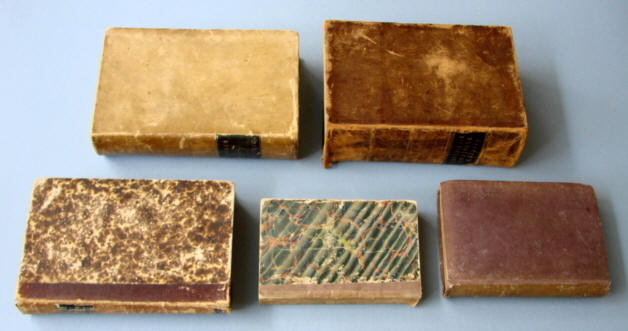
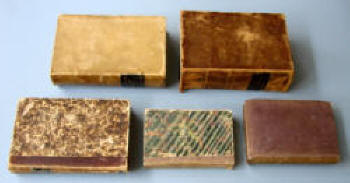
The following collection of rare Civil War
medical textbooks were
obtained from the family of a mid-1800's book collector,
Standish T.
O'Grady of Mobile, Alabama, who obtained the books during or
immediately after the Civil War. The books were in the same birds-eye
Maple bookcase
since the Civil War era in Mobile, Alabama, and were obtained from a
family member of the original owner.
 |
 |
 |
 |
 |
|
Cooper
|
Chisolm
|
Moore
|
Porcher |
Dunglison |
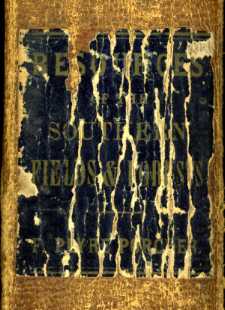
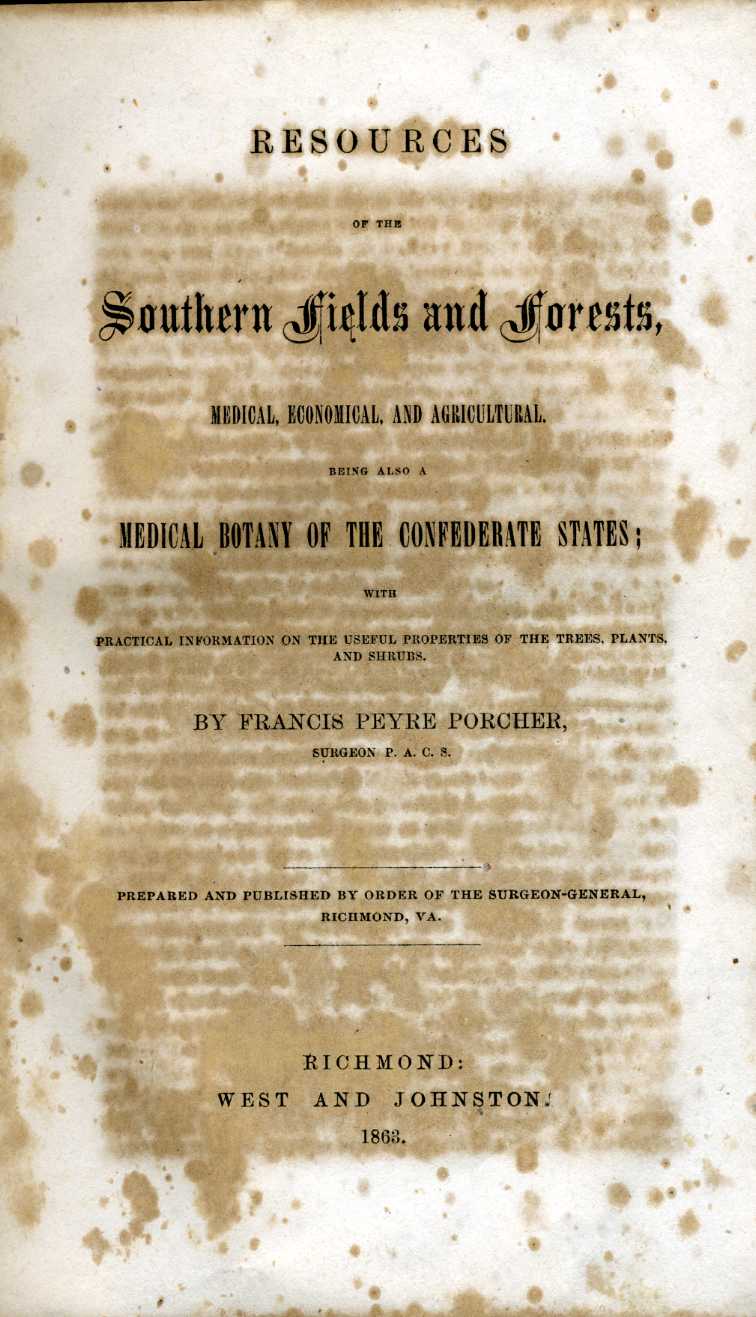
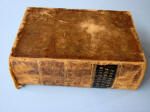
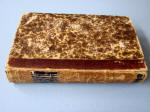
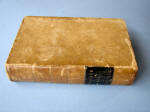
Resources of the Southern Fields
and Forests, Medical, Economical, and Agricultural Being also a Medical
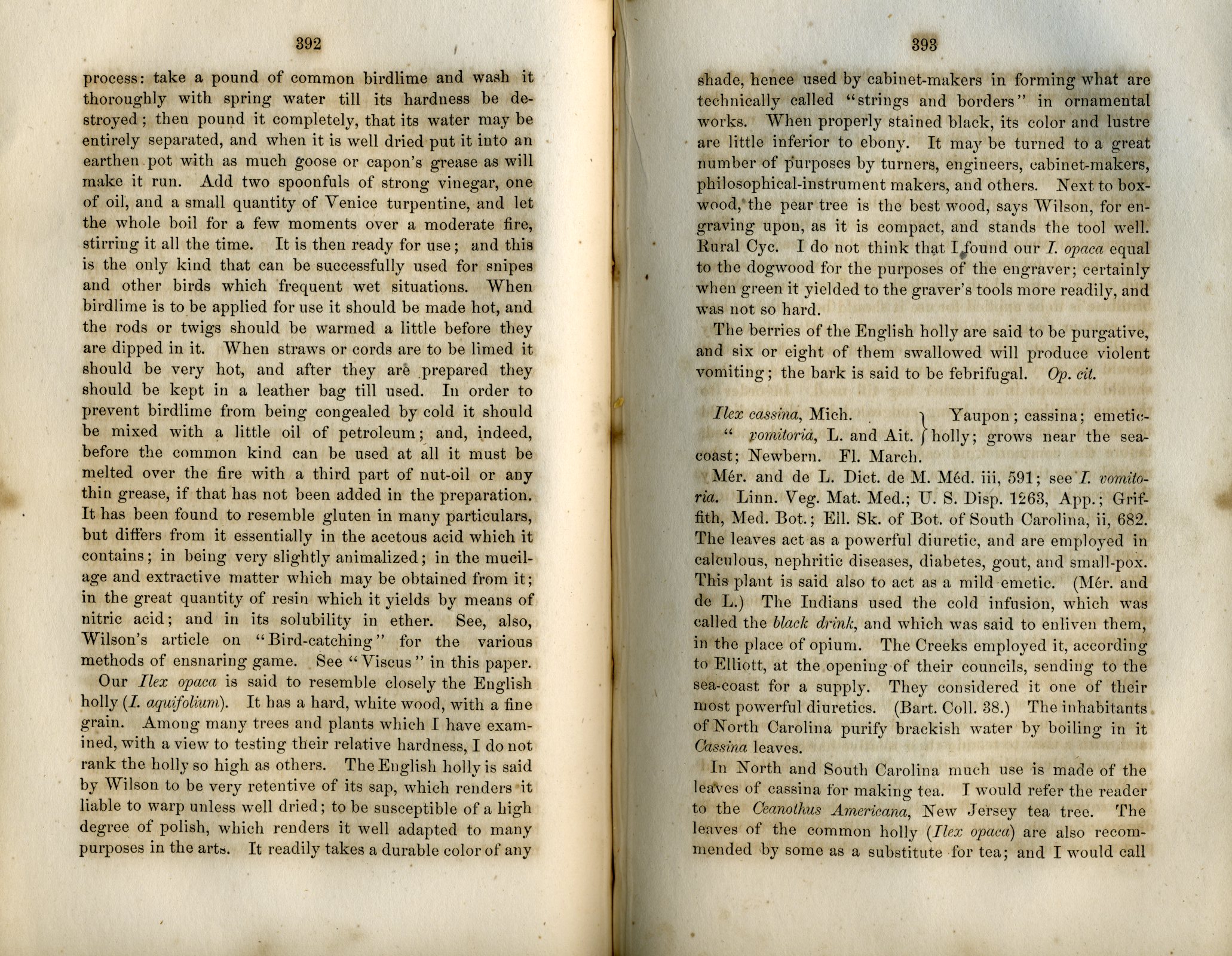
Botany of the Confederate States, (1863) by Frances Peyre Porcher ,
M.D., C.S.A. (Extremely Rare)
Note: There is a
seond edition of this Porcher book by Evans and Cogswell, published after
the Civil War in 1869 in Charleston: Porcher, Francis Peyre.
RESOURCES OF THE SOUTHERN FIELDS AND FORESTS, MEDICAL,
ECONOMICAL AND AGRICULTURAL; BEING ALSO A MEDICAL BOTANY OF THE
SOUTHERN STATES; WITH PRACTICAL INFORMATION ON
THE USEFUL PROPERTIES OF THE TREES, PLANTS, AND SHRUBS.
Charleston: Walker, Evans & Cogswell, Printers, 1869. xv,733,[44] pp.
The copy in this collection is probably the most ambitious
and important work produced in the Confederacy. It is the edition
published by West & Johnston in Richmond in 1863.
Additional
information on Frances P. Porcher, M.D.
Peyre
Francis Porcher,
Charleston, S.C., was born Dec. 14th, 1824, at St. John's, Berkely co., S.C.
He is a descendant of a Huguenot family, who came from France in 1696. His
early education was obtained at the South Carolina coll., Columbia, from
which he graduated A.B., and his medical education at the med. coll. of the
State of S.C., graduating from this institution M.D., in 1847, and settling
in Charleston. He is professor of materia medica and therapeutics, and of
clinical medicine in the Medical College of State of S.C., corresponding.
member of the Acad. of Natural Sciences of Philadelphia, and fellow of the
College of Physicans of the same city; He is physician to the Charleston
City Hosp; ex-president of S.C. Med. Asso., and during the war was surgeon
in charge of the Confederate hospials at Norfolk and Petersburg. He
married, in 1855, Virginia, daughter of Hon. Benjamin Watkins Leigh and
Julia Wickham, of Richmond, Va., and, in second marriage, the daughter of
the late Col. I. I. Ward, of Waccamaw, S.C.
Given the difficulty the Confederacy had
in obtaining medical supplies, this book, by a South Carolina physician ,was
used as a guide to obtaining local botanical resources for medical or army
personal use. See a profile of
Dr. Porcher and further
explanation of the use and importance of this text.
Given the topic of the book one
might be led to mistakenly assume it was written for
homeopathic physicians,
but that is not necessarily true,
however they may have used it as a resource too. Book dimensions: 9 x
6 x 1.5 in. Porcher was
one of the most prominent medical figures in the antebellum South, and the
founder of a hospital for slaves in Charleston in 1855. Resources has
been credited with maintaining the Southern war effort for many months
longer than if it had not been written. Using this book as a reference,
Confederate medical officers were able, in spite of the blockade of Southern
ports, to supply their medicinal needs through the preparation of drugs from
plants indigenous to the Southern states. Porcher was one of the most
prominent medical figures in the antebellum South, and the founder of a
hospital for slaves in Charleston in 1855. His early work on medical botany
and his reputation as a physician led to his appointment as Surgeon- General
of the Confederate States. Porcher's book was roundly hailed in its day by
Confederate boosters, and the work was commissioned by the Surgeon-General
of the C.S.A. It remains a thorough and impressive work on the agricultural,
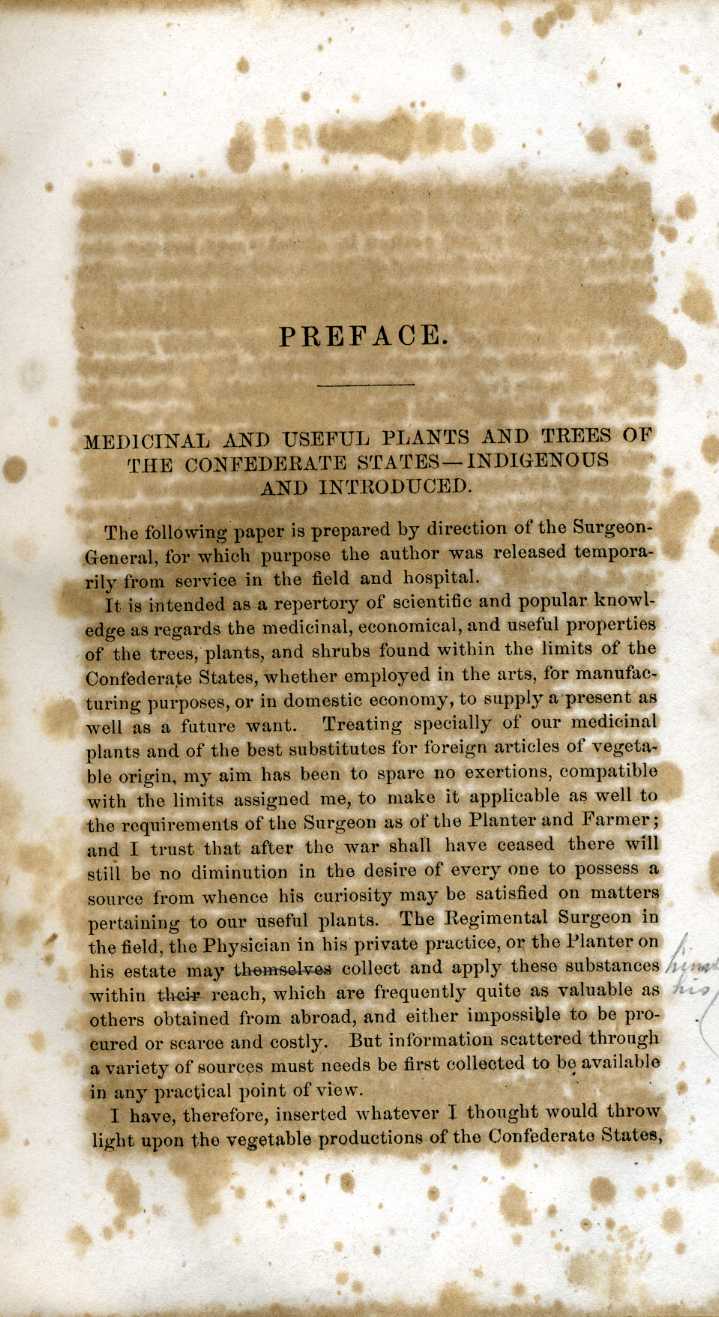
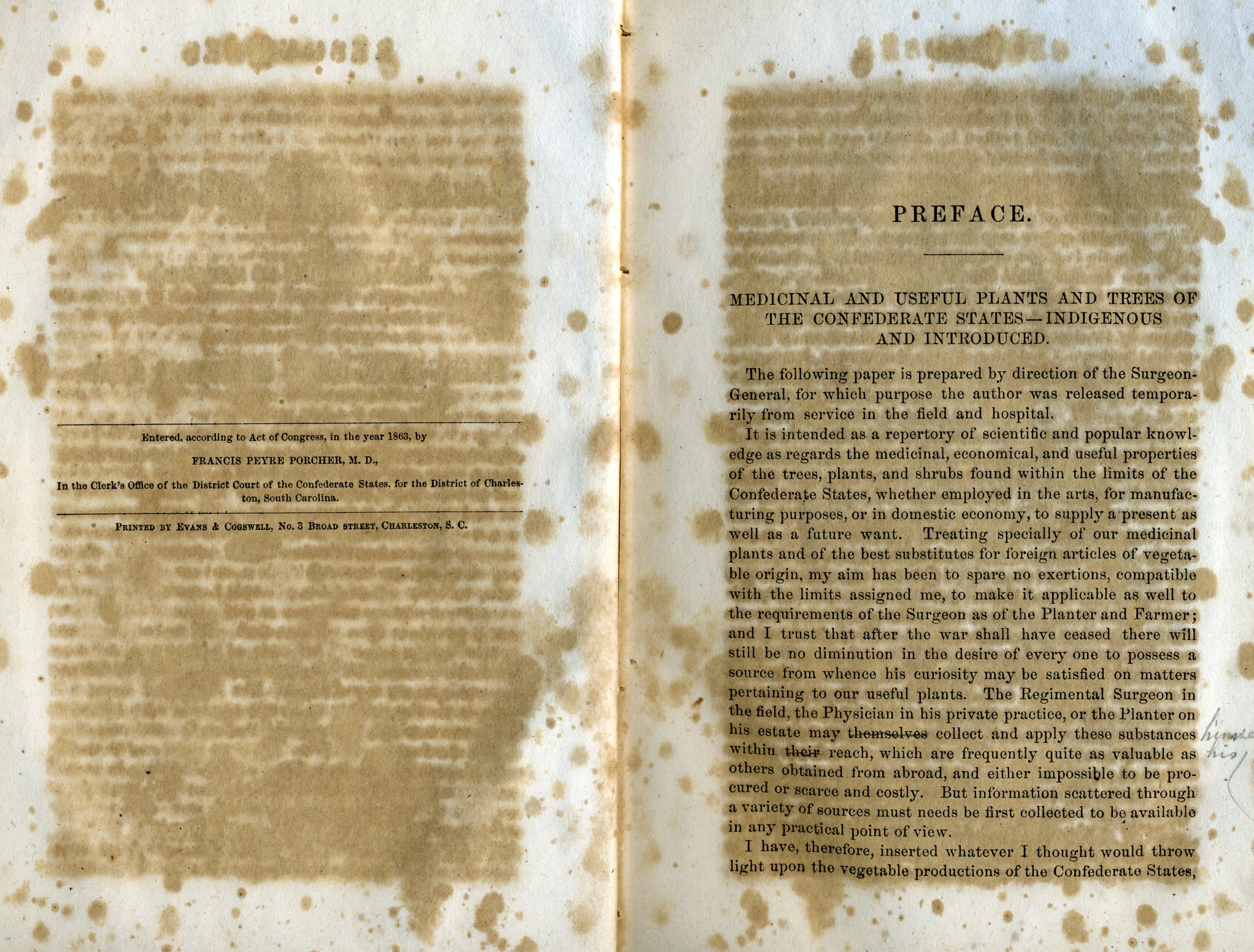
botanic, and economic resources of the South. "It is intended as a repertory
of scientific and popular knowledge as regards the medicinal, economical,
and useful properties of trees, plants, and shrubs found within the limits
of the Confederate States" - Sabin. With an extensive index. According to
Harwell, "This is the most important and ambitious work printed in the
Confederacy.
_______________________
CONFEDERATE STATES OF AMERICA, SURG.
GEN.'S OFFICE,
Richmond, Va., September 8, 1862.
Surgeon PRIOLEAU,
Savannah:
SIR: I have to inform you that you are authorized to make arrangements as
complete as possible to effectually carry out the plan rendered necessary to
be inaugurated by the Medical Department of collecting and preparing for use
the medicinal herbs, roots, and barks so abundant in the southern latitudes
of the Confederacy, and your attention is called to the propriety of at once
making some simple cathartic pills, diarrhea medicine, and other mixtures
for the ordinary diseases in camp. Doctor Park is an employed agent and now
in Savannah engaged in the work of gathering such herbs, as are referred to
above. You will please report to this Bureau as you progress in this
important work.
Very respectfully, your obedient servant,
S. P. MOORE, Surgeon-General C. S. Army.
Please look at this
excellent article
relating to Porcher and Chisolm: Anesthetics in Field and
General Hospitals
Of the Confederate States of America During the Civil War 1861-1865:
The Use of Indigenous Botanical Substitutes
versus The Availability of Chloroform
Resources of the Southern Fields and Forests, Medical, Economical, and
Agricultural. Being also a Medical Botany of the Confederate States;
with Practical Information on the Useful Properties of the Trees, Plants,
and Shrubs
|
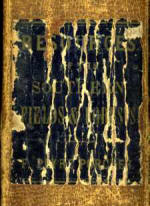
Resources of the Southern Fields and
Forests |
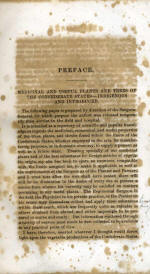
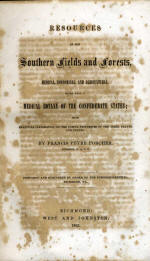

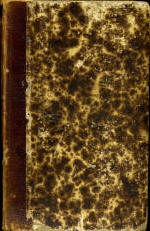
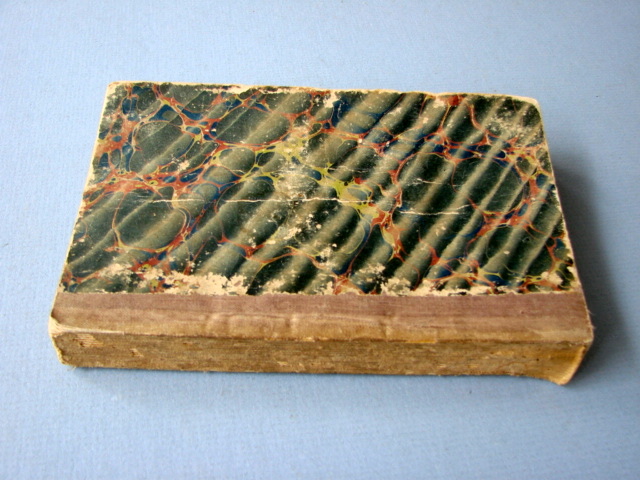
This is the original
Confederate published edition, dated 1863. Prepared and
published by order of the Surgeon-General, Richmond, Virginia
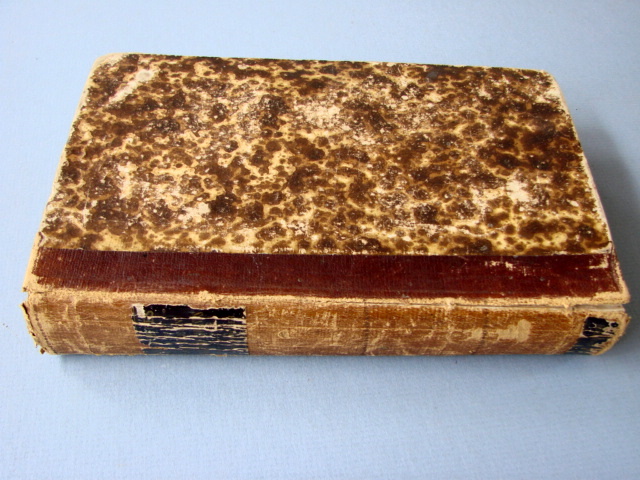
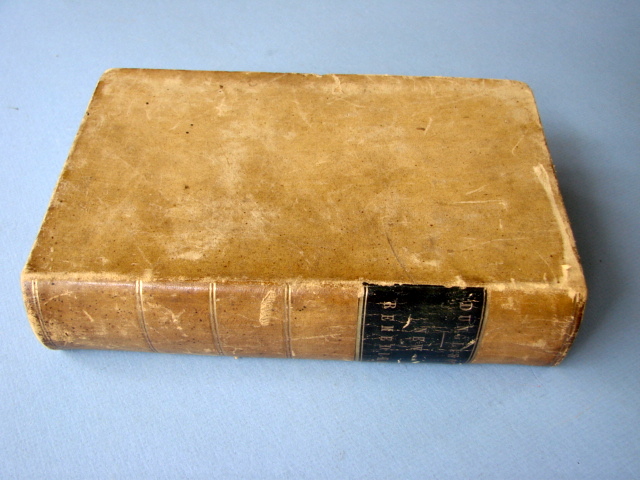
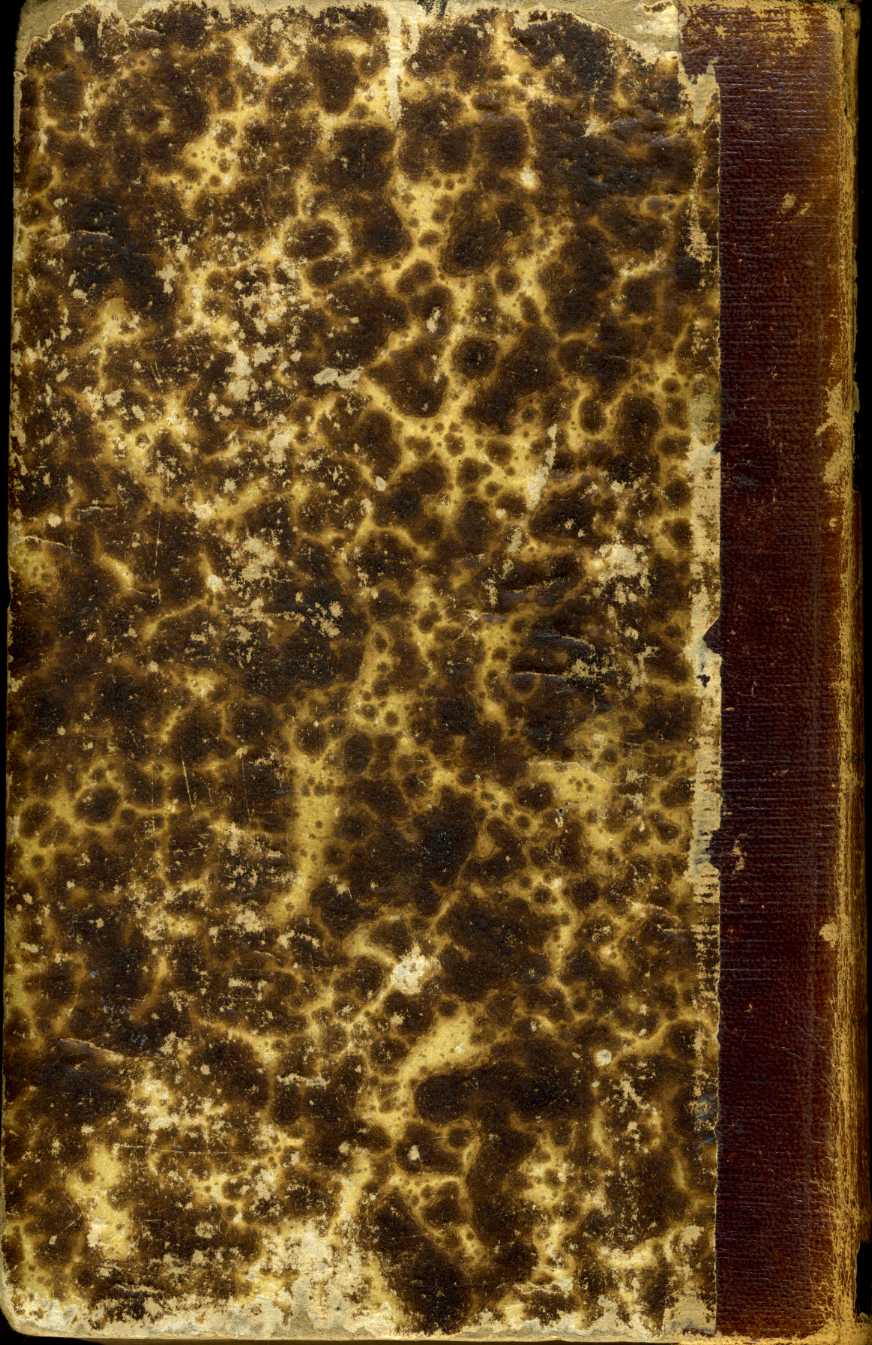
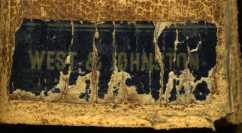
Original marbled boards, and
marked spine. |
|
Publisher: West & Johnson |
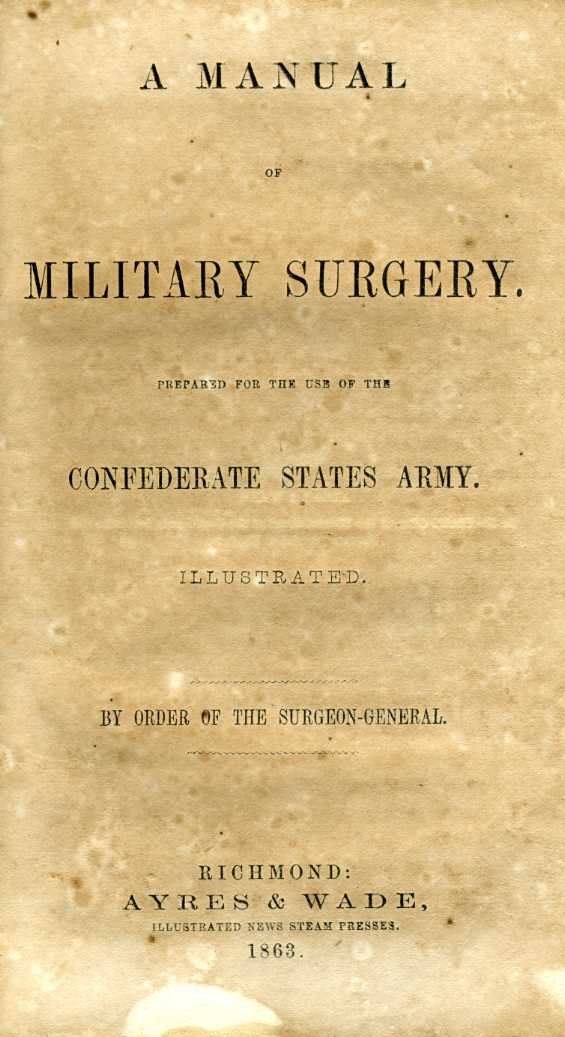
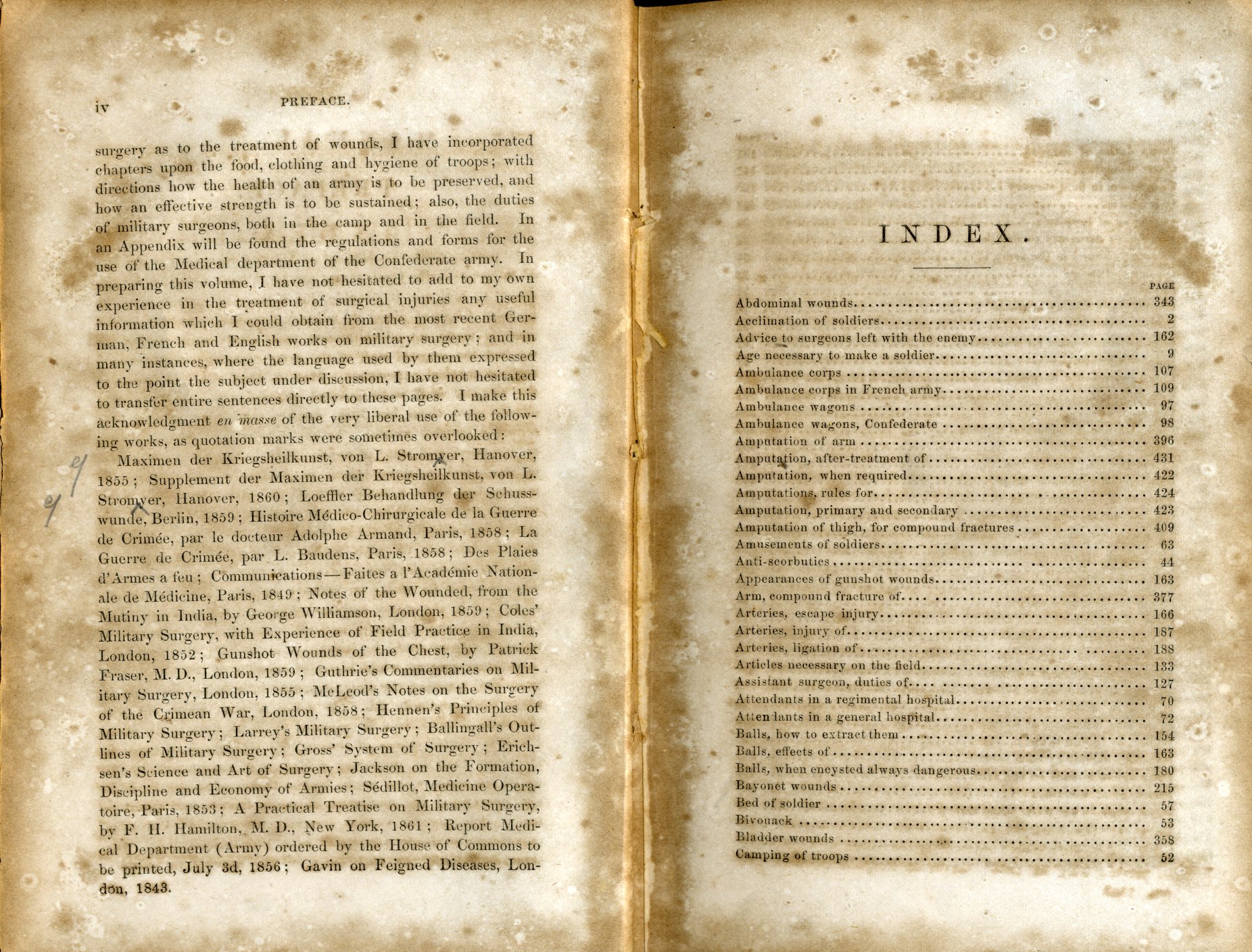
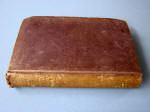
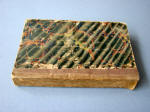
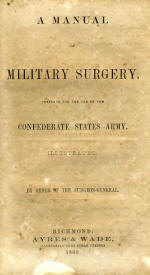
A Manual of Military Surgery,
(1863) by Samuel Preston Moore, M.D., CSA (Extremely Rare)
Additional
information on Samuel P. Moore, M.D.
|
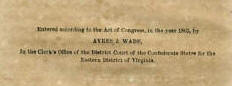
Prepared for the Use of the Confederate States Army
Published by: Richmond:
Ayres & Wade, 1863. The only edition.
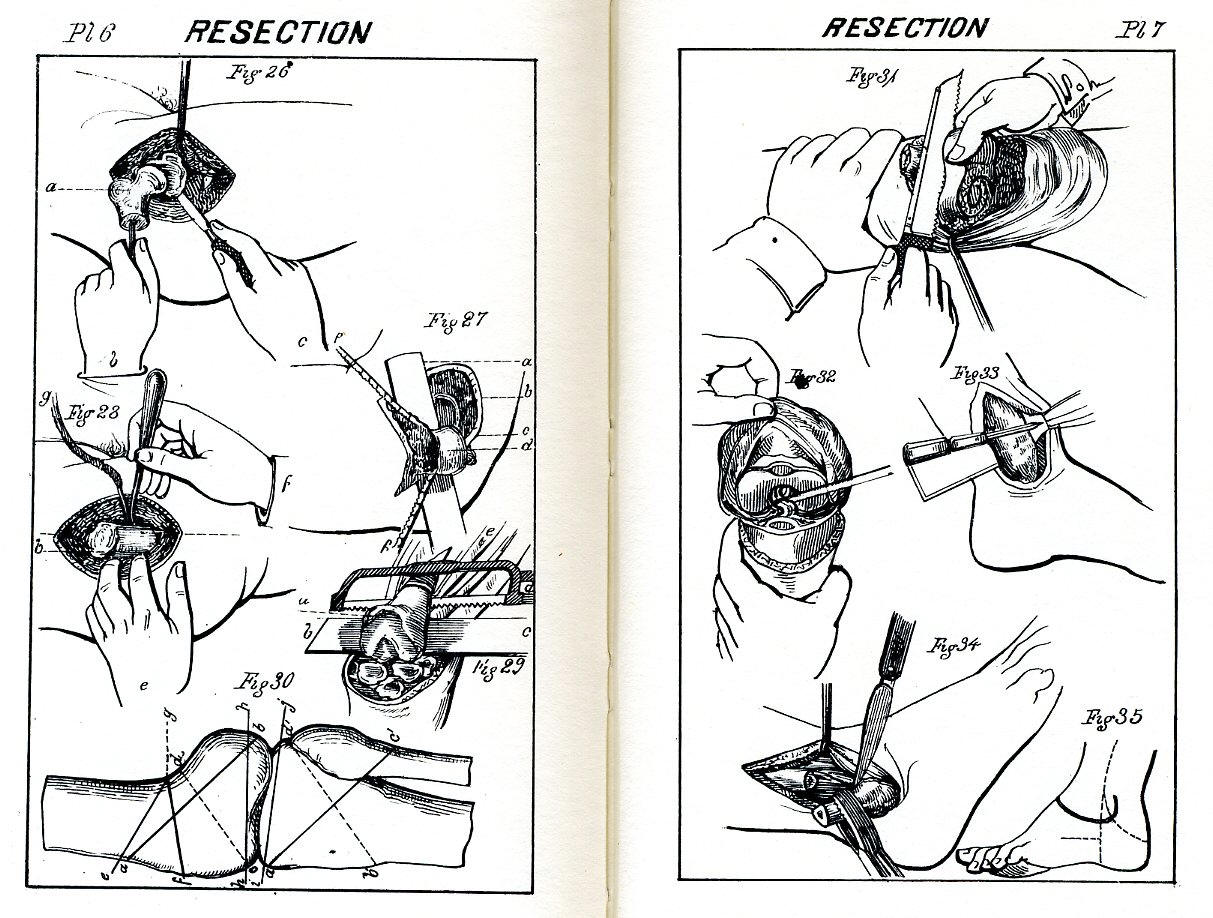
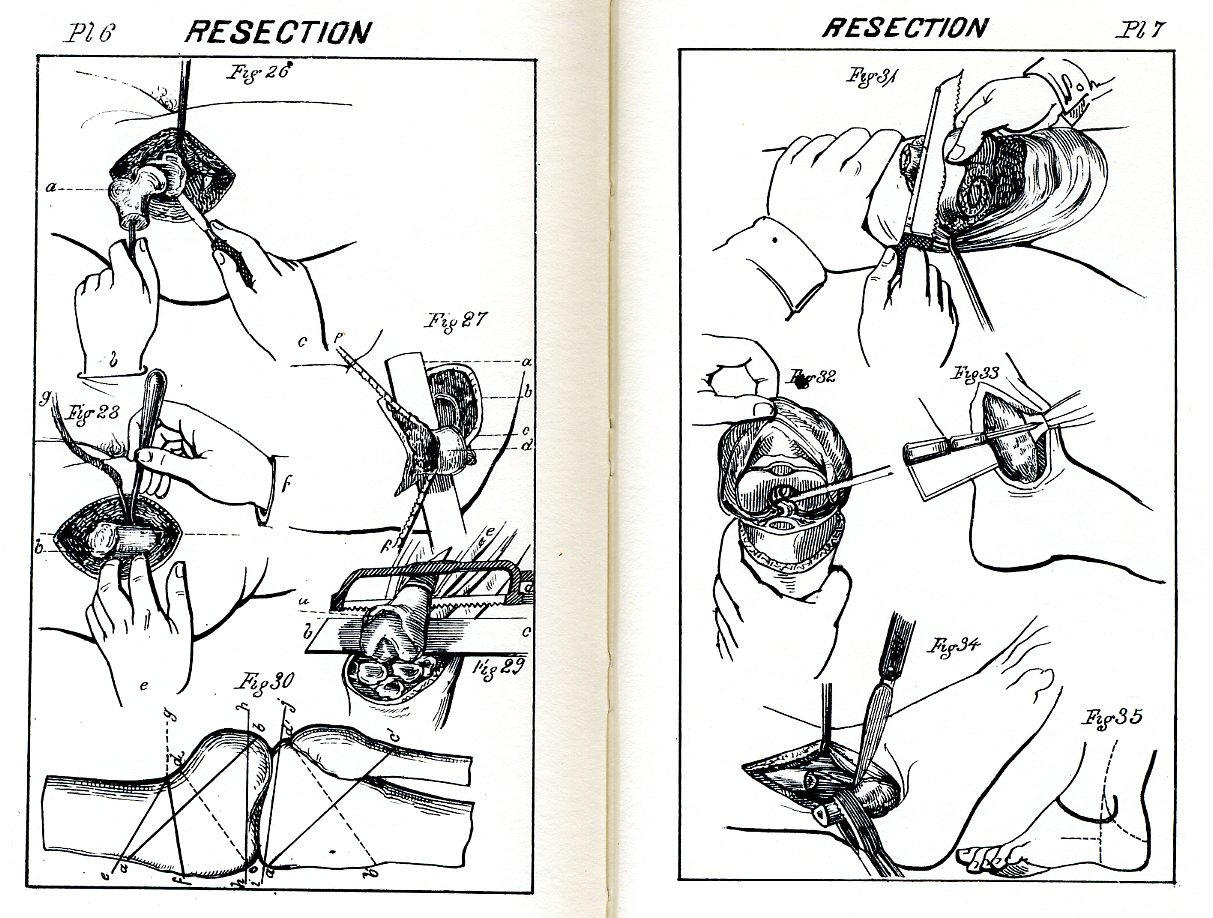
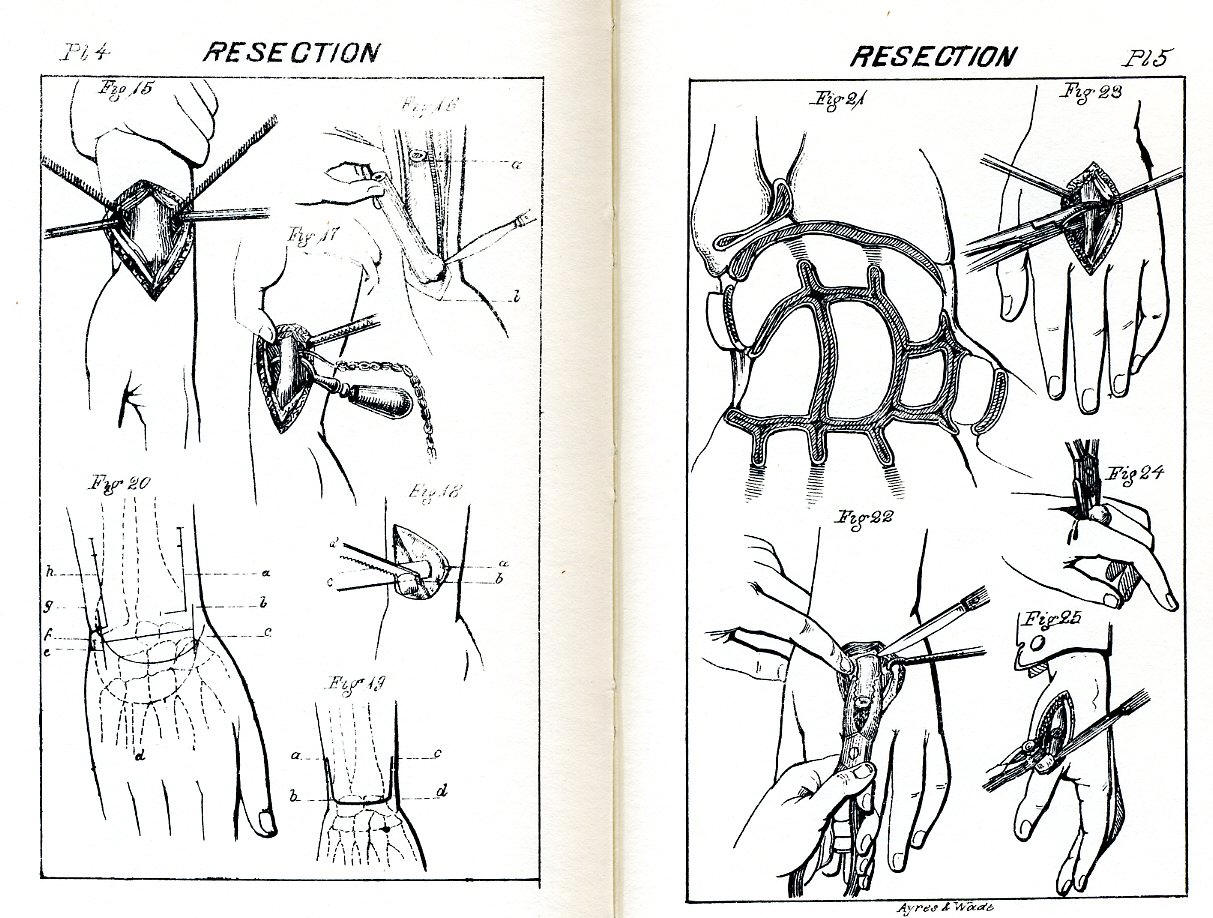
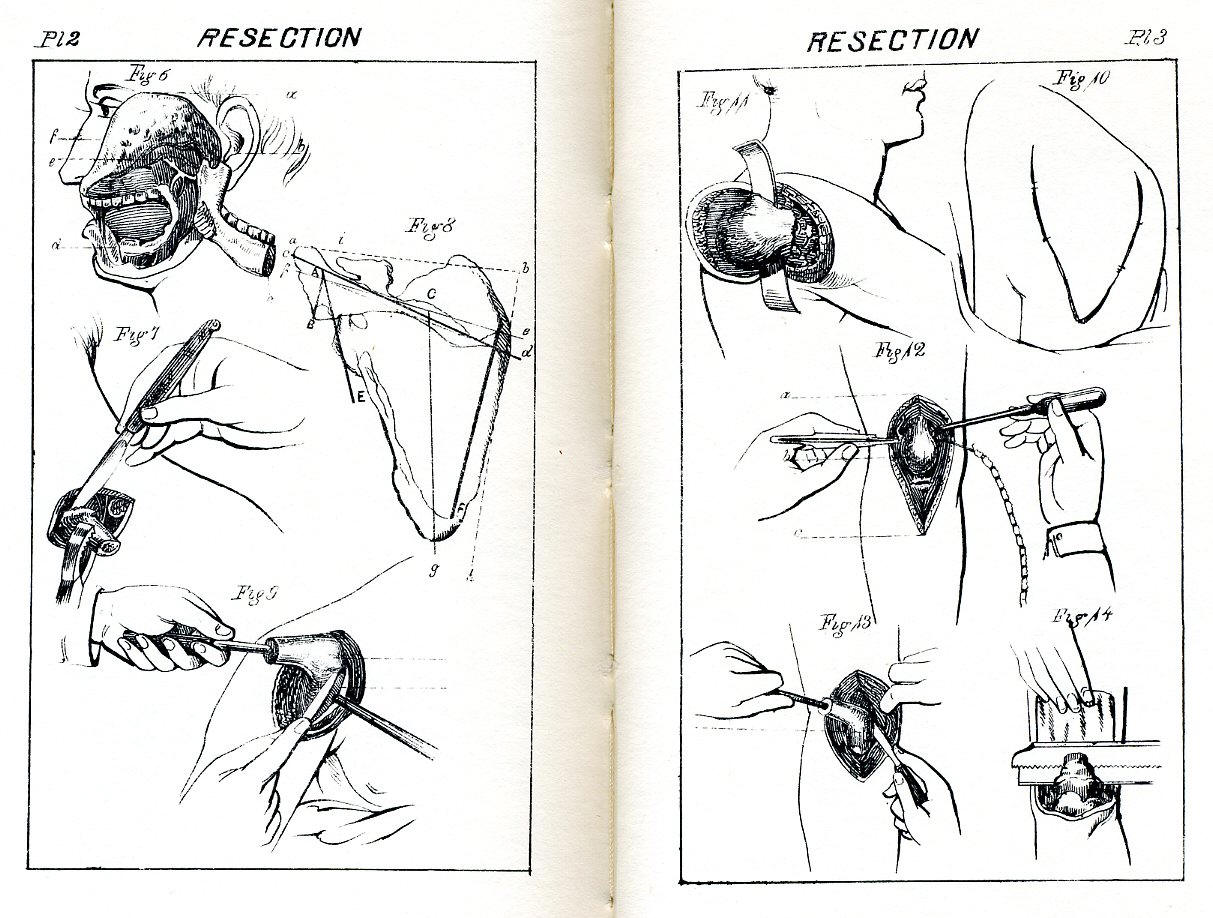
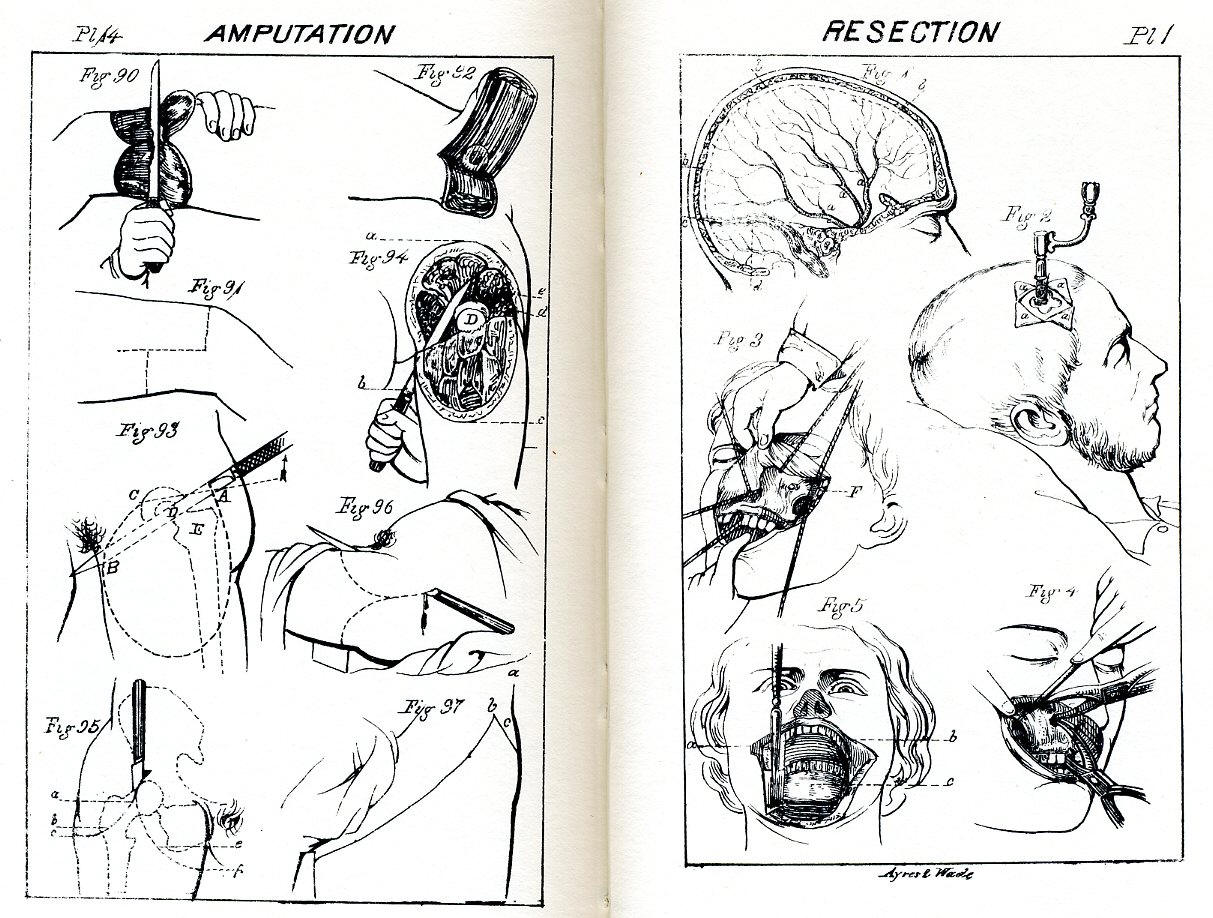
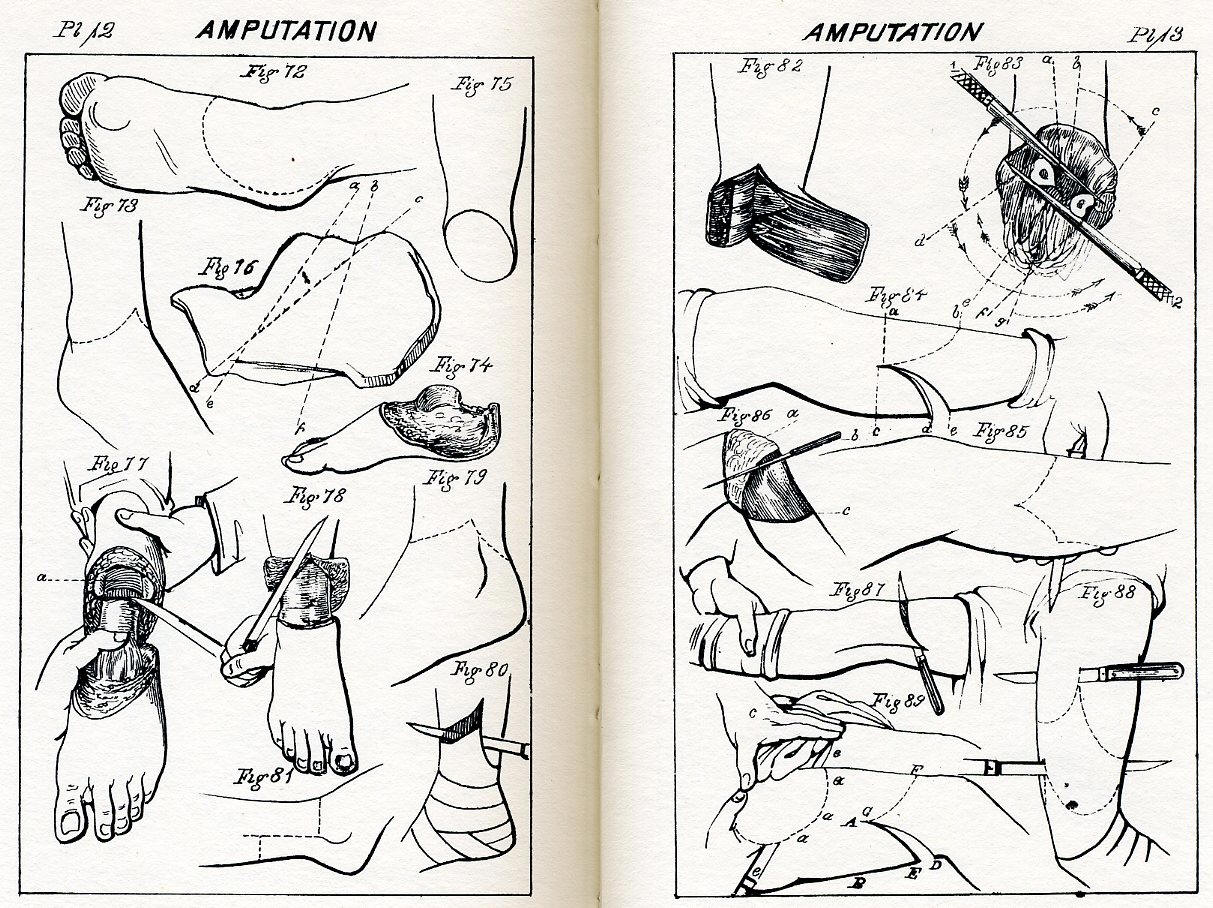
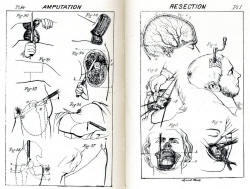
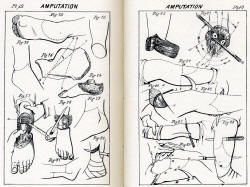
Description: With 30
drawing plates and
174 individual figures, this was the first of only two illustrated military surgical
manuals (one by Moore and one by Chisolm) to have been compiled and printed in the Confederacy. During
the Civil War, Dr. Moore was the surgeon general of the Confederate States
Army Medical Department.
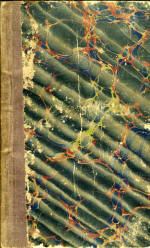
Field size manual: 7 x 4 1/2
x 1 in. Original marbled boards, and
cloth spine.
Original stiff paper binding.
|

|
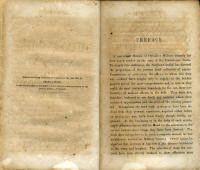
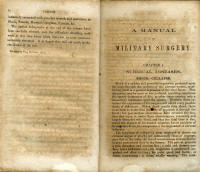
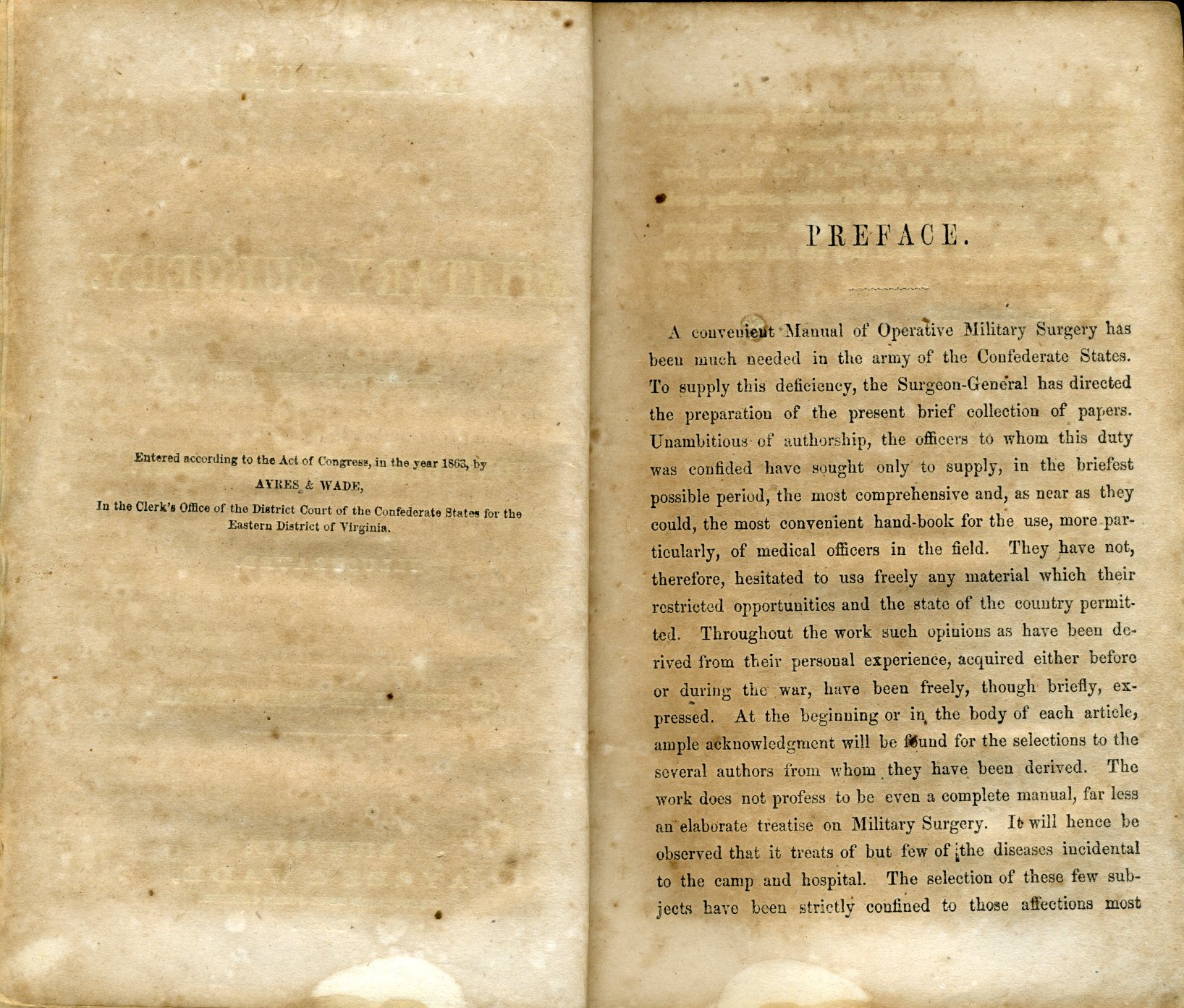
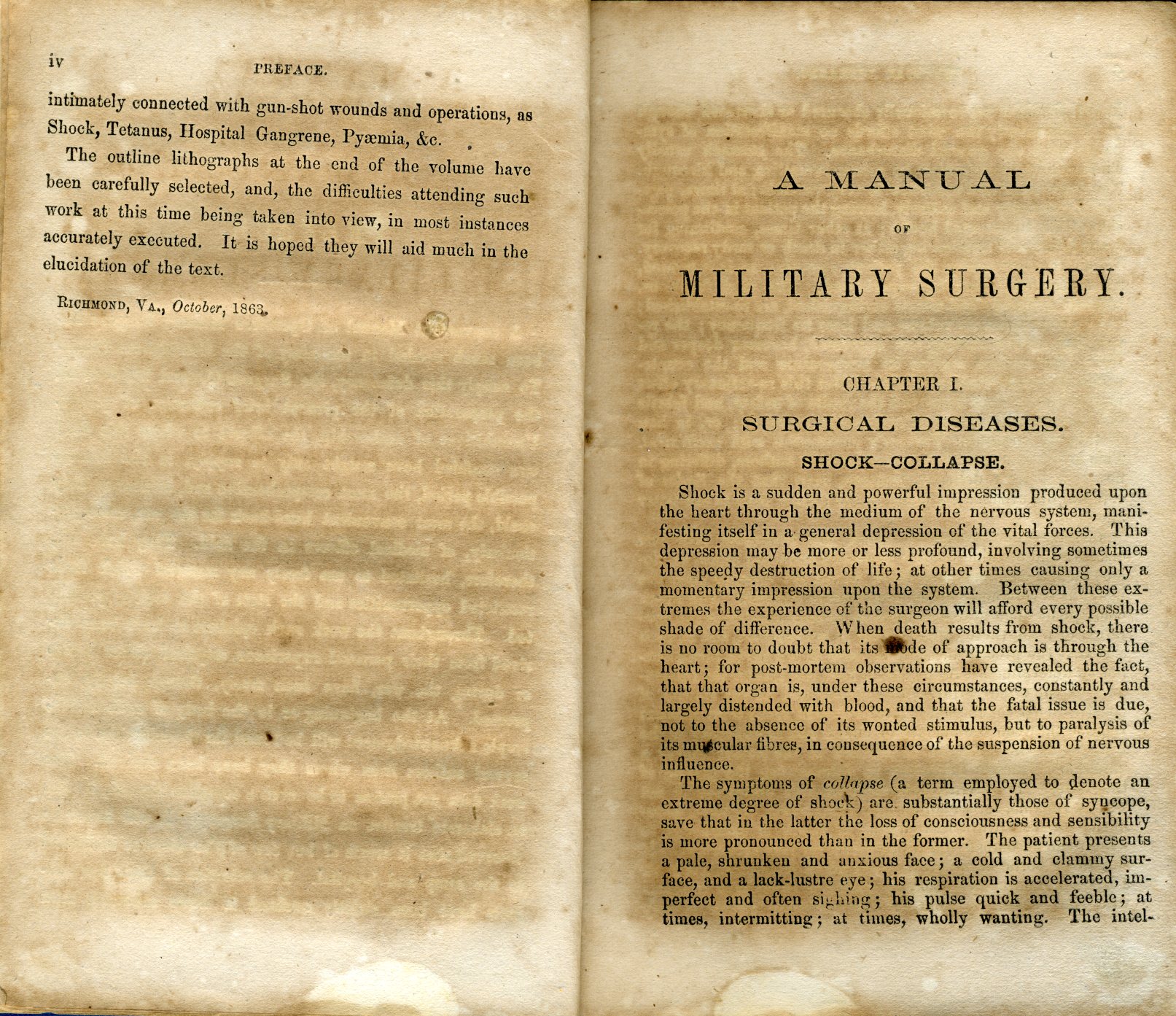
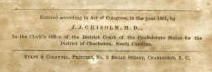
Publication Data, Preface and Introduction
Click to enlarge surgery photos from Moore's text book
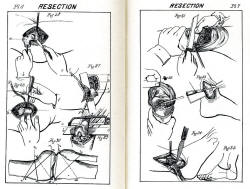
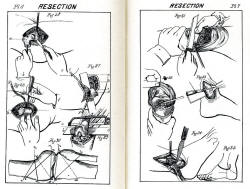
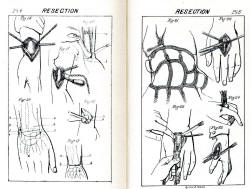
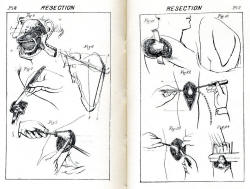
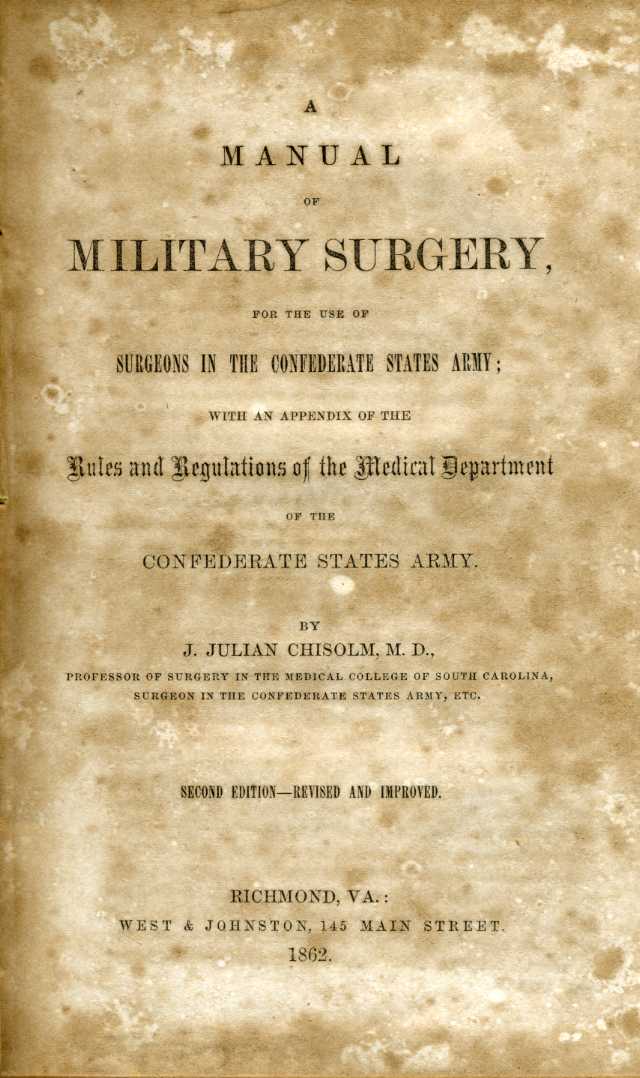
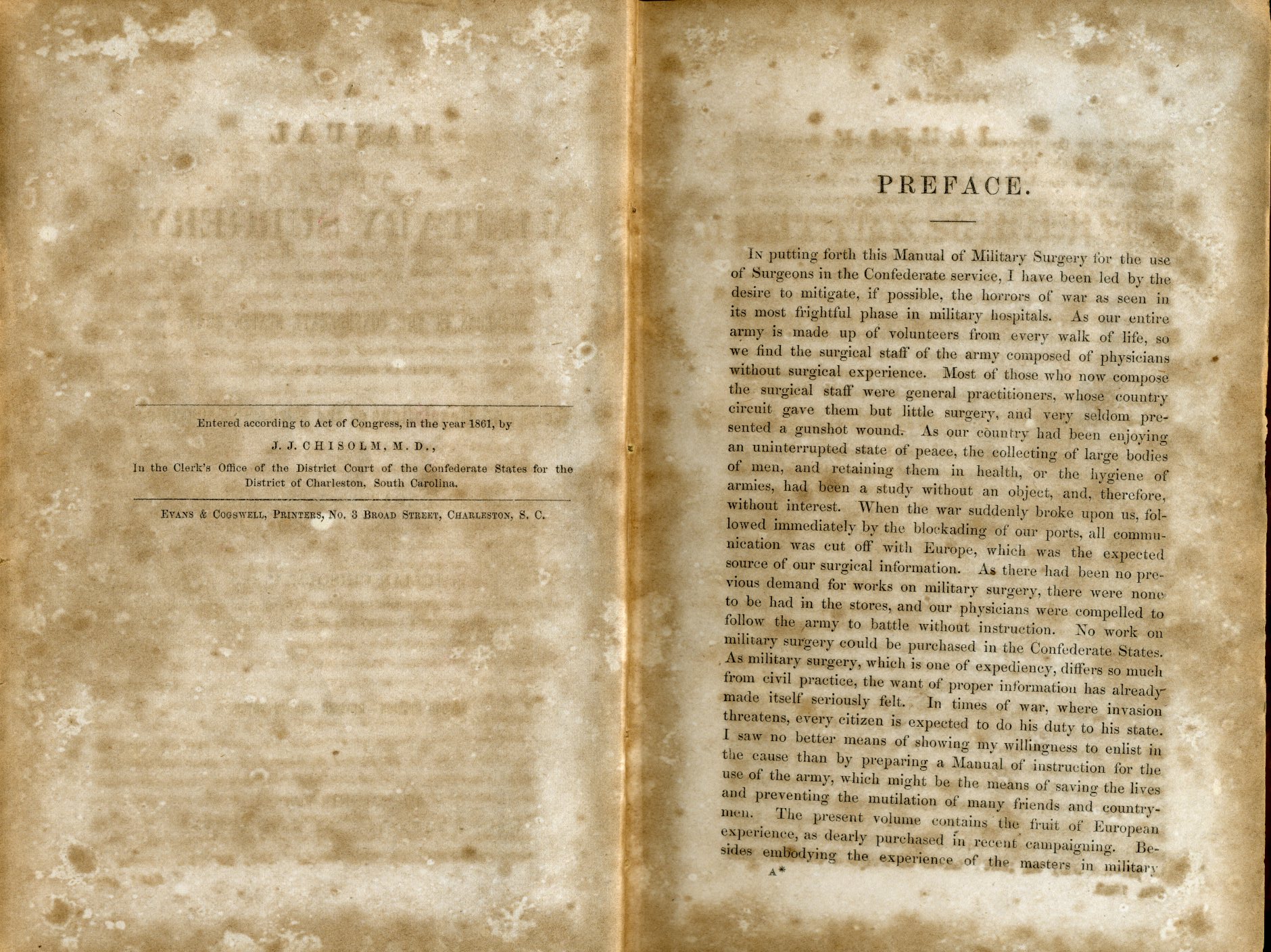
Manual
of Military Surgery, (1862), by J. Julian Chisolm, CSA (Extremely Rare)
Regulations
of the Medical Department of the Confederate States
Additional
information on John Julian
Chisolm, M. D.
Civil
War anesthesia relative to Porcher and Chisolm use of ether and
chloroform
|
Prepared for the Use of the Confederate States Army.
Published: Richmond, Va., West &
Johnson, 1862.
Edition:
2d ed.
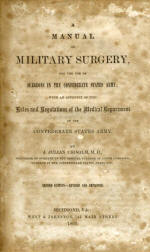
A manual
of military surgery, for the use of surgeons in
the Confederate States army; with an appendix of
the rules and regulations of the Medical
Department of the Confederate States Army,
446 pages. Plus an appendix which contains the
Regulations for the Medical Department of the Confederate
States. For a total number of pages: 514. Field size: 7 1/2 x 5 1/4
x 1 1/4 in.
|
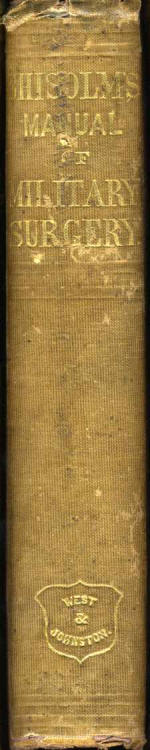 |
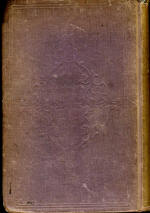
J. Julian Chisolm, A Manual of Military Surgery for
the Use of Surgeons in the Confederate States Army. 2nd ed.
514 pp. Richmond: West & Johnson, 1862. Chisolm (1830-1903) was
the foremost surgeon in the Confederacy, and his important military surgery
manual went through three editions.
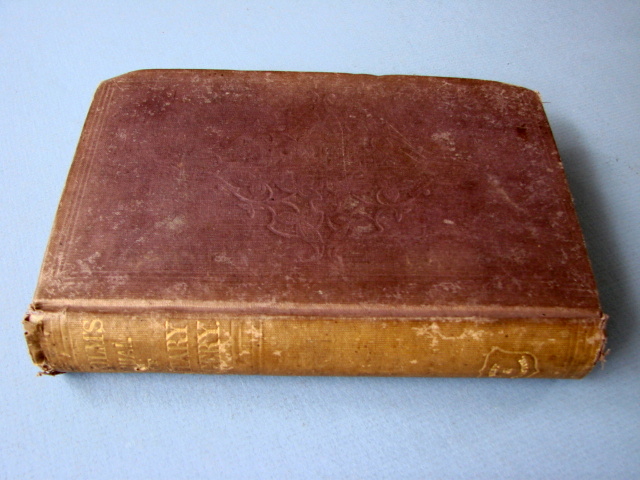
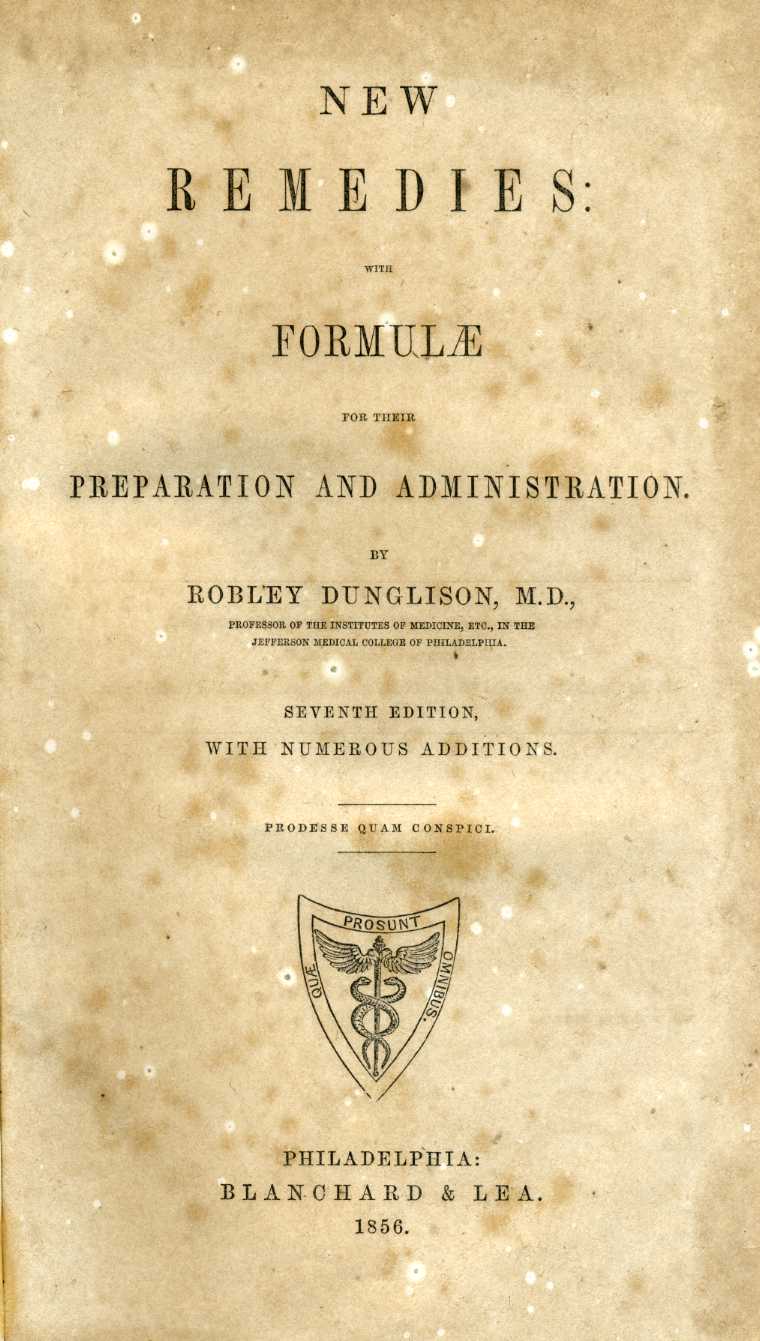
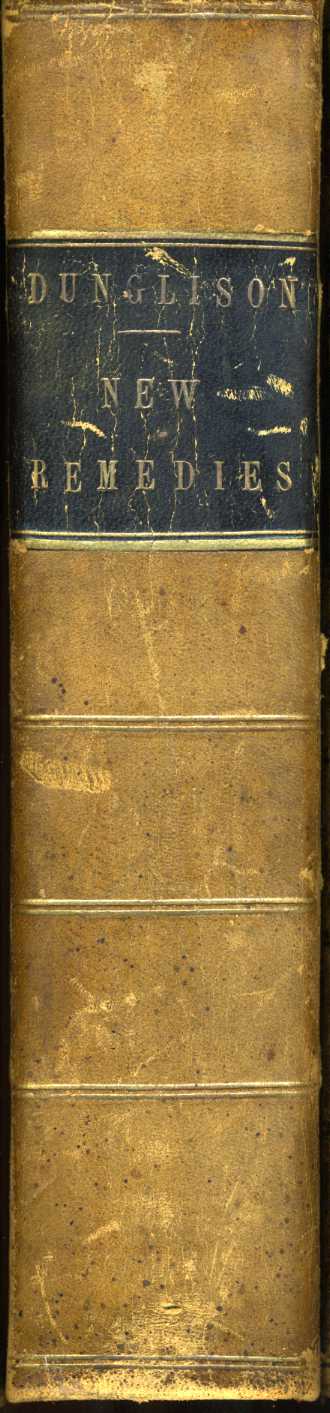
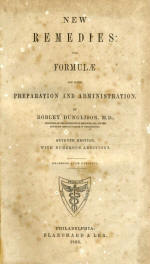
New Remedies: With Formulae for their
Administration, (1856 ), by Robley Dunglison, M.D.
This is a medical book that would have been available
to doctors in the Confederate Army and was part of the O'Grady collection
from Mobile, Alabama.
Additional information on Robley Dunglison, M.D.
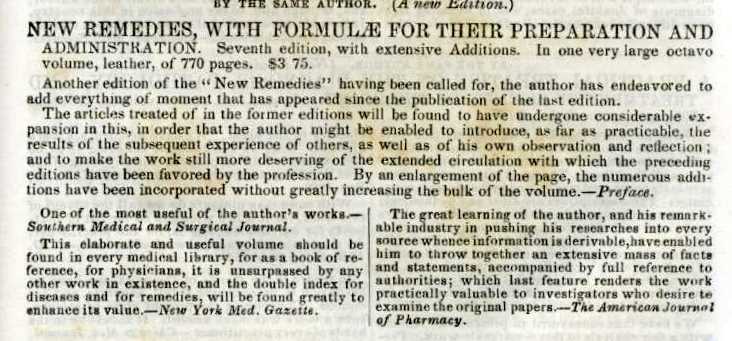
NEW REMEDIES WITH FORMULAS
FOR THEIR PREPARATION AND ADMINISTRATION. Seventh edition
with extensive Additions In one very large octavo volume leather
of 770 pages $3.75., 1861
Another edition of the New Remedies
having been called for the author has endeavored to add
everything of moment that has appeared since the publication of
the last edition. One of the most useful of the
author's works. Southern Medical and Surgical Journal.
This elaborate and useful volume should be found in every
medical library for as a book of reference for physicians it is
unsurpassed by any other work in existence and the double index
for diseases and for remedies will be found greatly to enhance
its value. New York Med Gazette
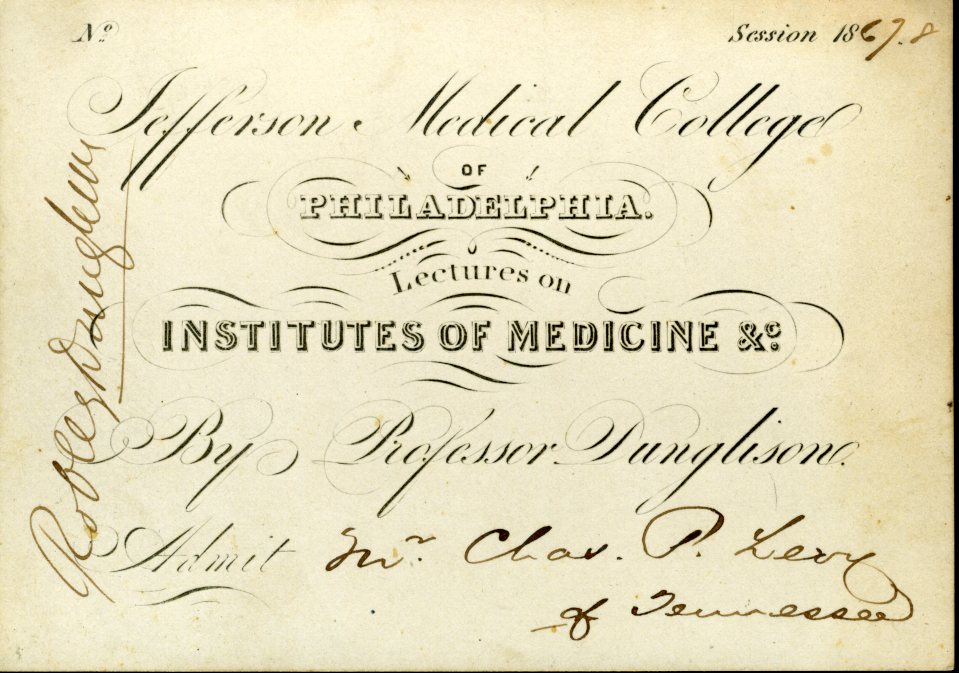
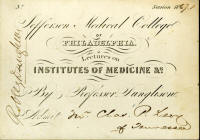
| Jefferson
Medical College lecture card for Robley Dunglison,
M.D. for Institutes of Medicine, 1867-8 |
 |
|
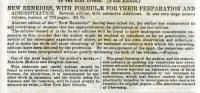
Display ad
by publisher 1856 |
|
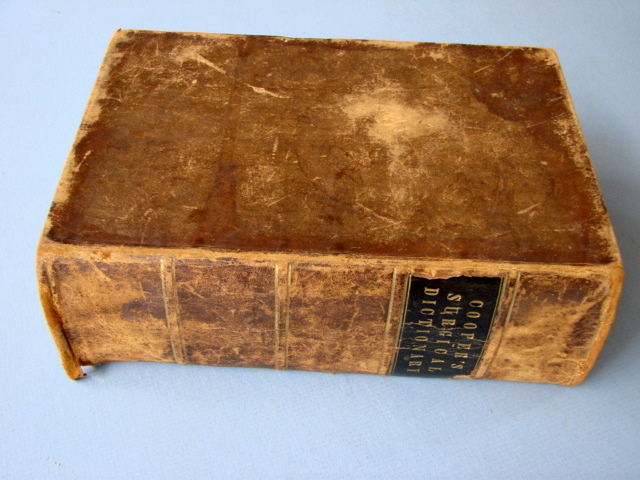
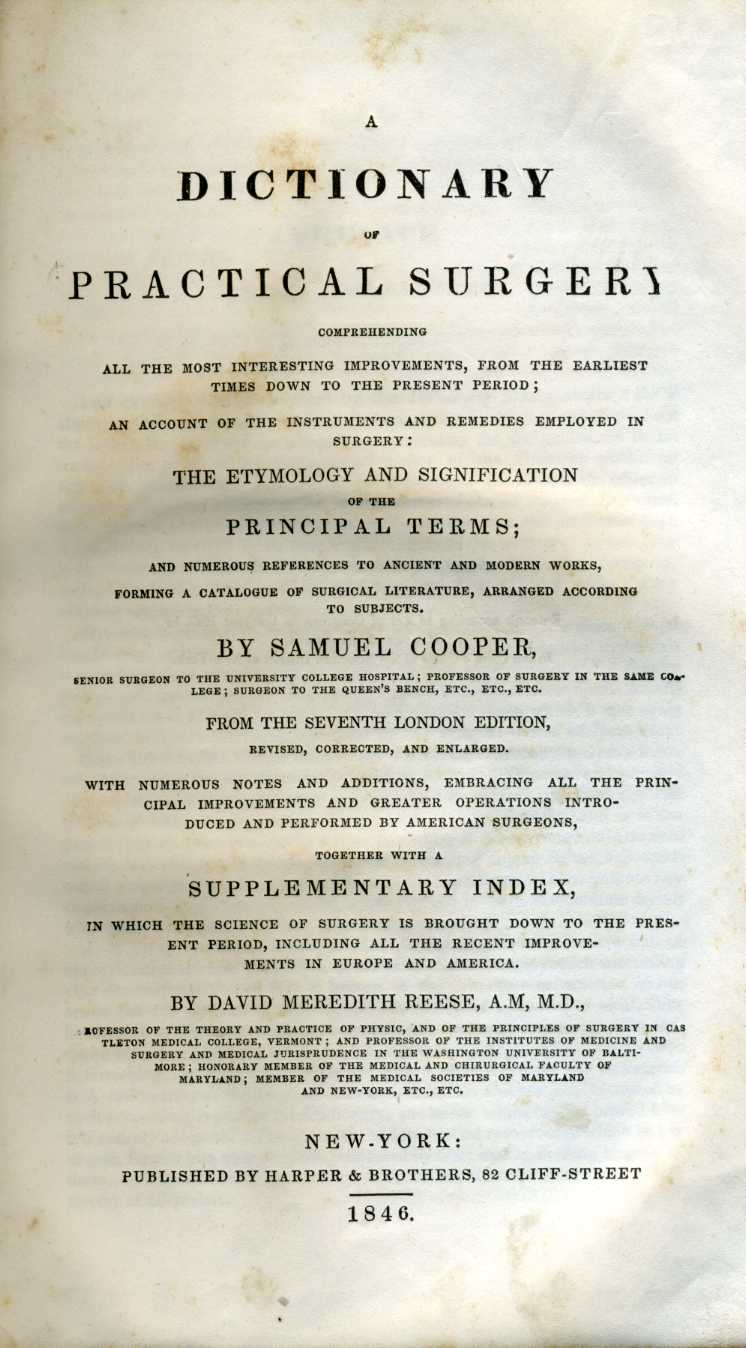
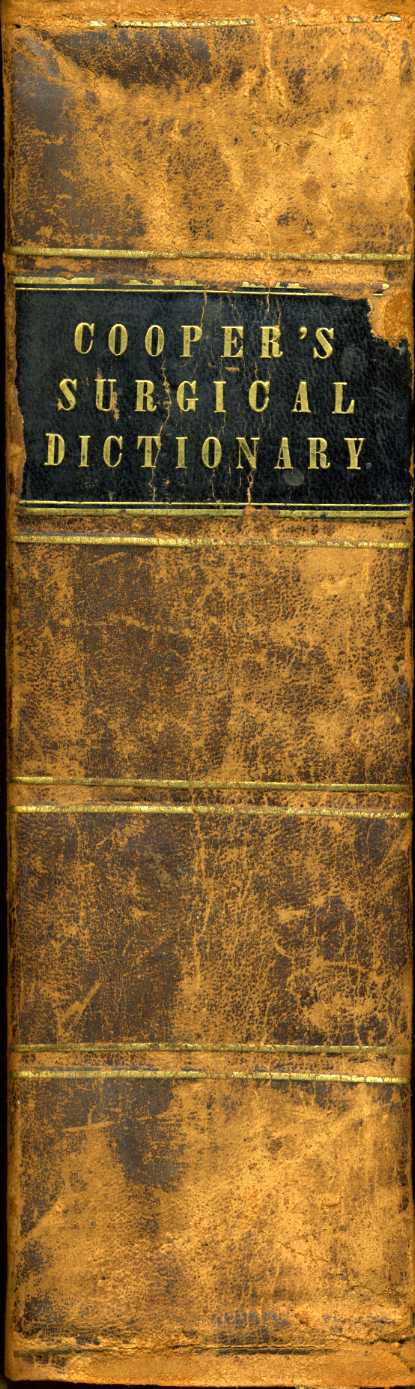
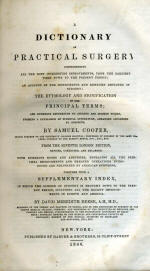
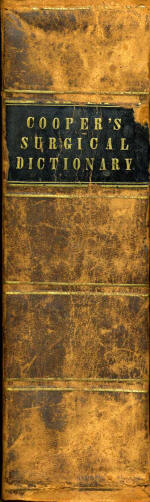
A Dictionary of Practical Surgery, (1846), by
Samuel Cooper, M.D.
This is a medical book that
would have been available to doctors in the Confederate Army,
but in reality, almost any textbook on surgery was available
through various sources. This book was part of the O'Grady collection
from Mobile, Alabama.
Continue to
Page 8
Medical Book Collection
Pages:
1
|
1a
|
2
|
2a
|
3
|
3a
|
4
|
4a
|
5
|
5a |
6
See information on
Medical education and lecture cards
during and before the Civil War
|
Wanted: Medical
textbooks marked for the U.S.A. Medical or Hospital Dept. |
|